The landscape of industrial packaging in India is evolving rapidly. As manufacturing outputs scale and export requirements become more stringent, the role of packaging has shifted from a mere protective layer to a critical component of supply chain efficiency.
In this article, we explore the top 5 trends shaping industrial packaging in 2026 and how procurement teams can leverage them to reduce costs and minimize transit damage.
1. The Shift to High-Tension PET Strapping
Historically, steel strapping was the gold standard for heavy-duty load securing. However, 2026 has seen a massive shift towards Polyethylene Terephthalate (PET) strapping.
PET strapping offers several distinct advantages over steel:
- Cost Efficiency: It is significantly cheaper than steel per meter.
- Safety: Unlike steel, it does not have sharp edges that can injure warehouse personnel or damage product edges.
- Elastic Memory: PET absorbs shock during transit and retains tension, ensuring loads remain stable even if the cargo shifts slightly.
For heavy manufacturing sectors across Gujarat, switching to premium PET strapping rolls has become a standard protocol for securing metal ingots, machinery, and palletized goods.
2. Automation with Pneumatic Strapping Machines
Manual strapping is time-consuming and often results in inconsistent tension. To keep pace with high-volume production lines, warehouses are increasingly adopting pneumatic strapping machines.
These tools utilize compressed air to automatically tension, seal, and cut the strap in seconds. The result is a uniformly secured pallet, reduced labor fatigue, and a faster throughput rate in the packing department.
3. Sustainable Packaging: The Resurgence of Jute
While plastics dominate the logistics sector, the agricultural and textile industries are leaning heavily back into natural fibers. Jute products, such as jute sutli (twine) and jute kantan (bags), are witnessing a massive resurgence.
Jute is 100% biodegradable, highly breathable (preventing moisture buildup in agricultural yields), and extremely durable. As global ESG (Environmental, Social, and Governance) mandates become stricter, incorporating eco-friendly packaging materials like jute is a fast way to improve your company’s sustainability scorecard.
4. Multi-Layer Stretch Films for Load Integrity
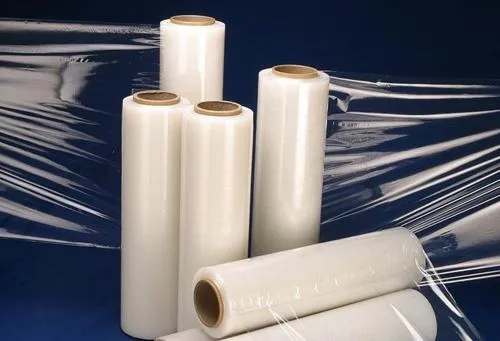
Pallet wrapping is no longer just about dust protection. Modern multi-layer stretch films are engineered to provide superior puncture resistance and high holding force while using less plastic (down-gauging).
This means you can wrap a pallet tighter, using fewer rotations, saving money on material costs while simultaneously improving the stability of the load during rough road transport.
5. Just-In-Time (JIT) Supply Chain Partnerships
Perhaps the biggest trend isn’t a product, but a strategy. Businesses are moving away from massive on-site packaging inventories and instead partnering with reliable, local packaging material suppliers who can fulfill Just-In-Time (JIT) deliveries.
By partnering with a bulk supplier like Virag Trading Co., manufacturers in Gujarat can free up valuable warehouse space while ensuring they never run out of critical strapping, taping, or protective packaging materials.
Conclusion
Staying competitive in 2026 requires optimizing every facet of your operations, and industrial packaging is a low-hanging fruit for massive efficiency gains. By upgrading your strapping solutions, investing in automation, and partnering with the right supplier, you can secure your supply chain and your bottom line.
Looking to upgrade your packaging strategy? Contact Virag Trading Co. today to discuss bulk supply solutions tailored to your industry.